What is microchanneling?
Controlled
stimulation.
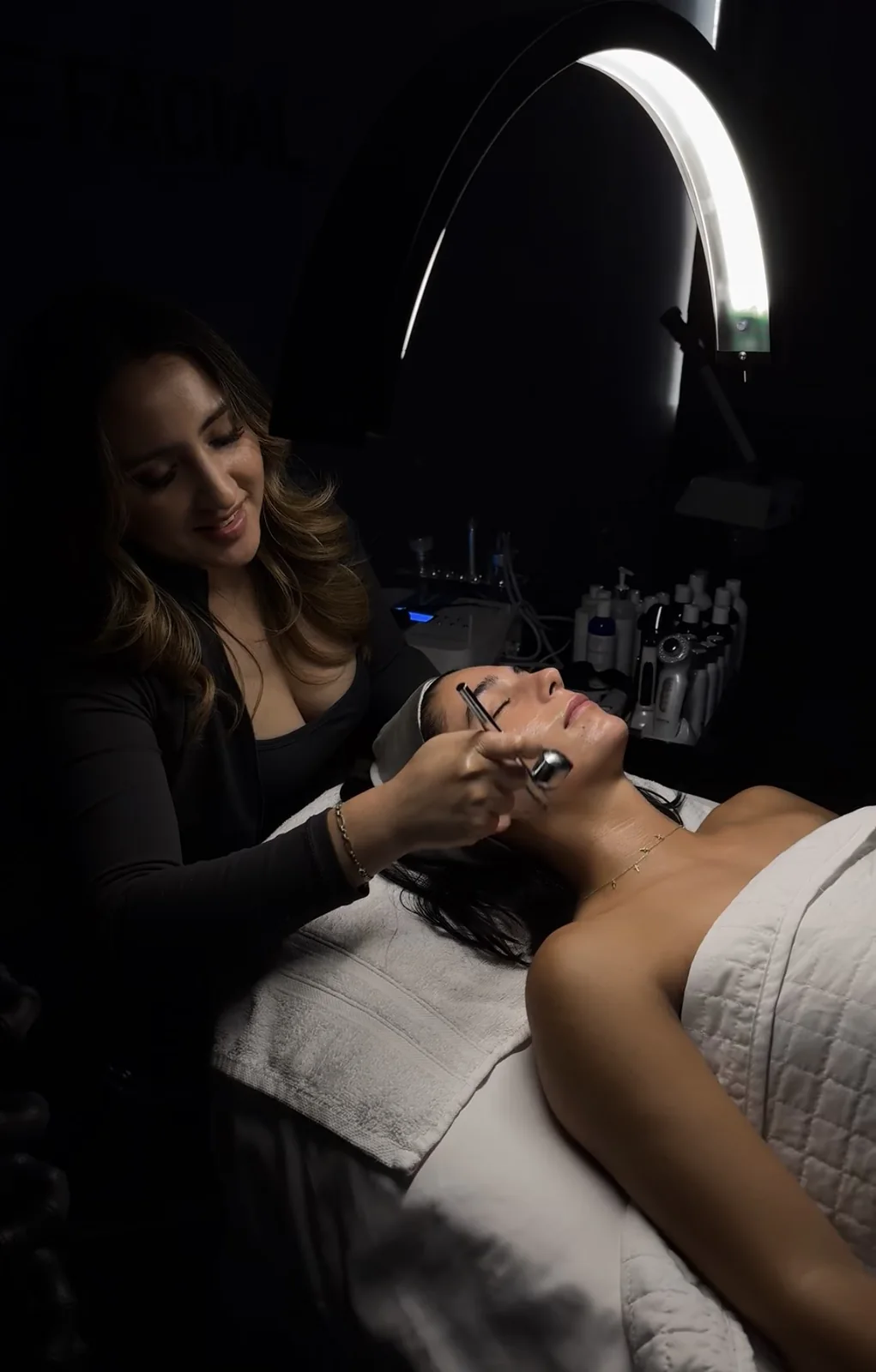
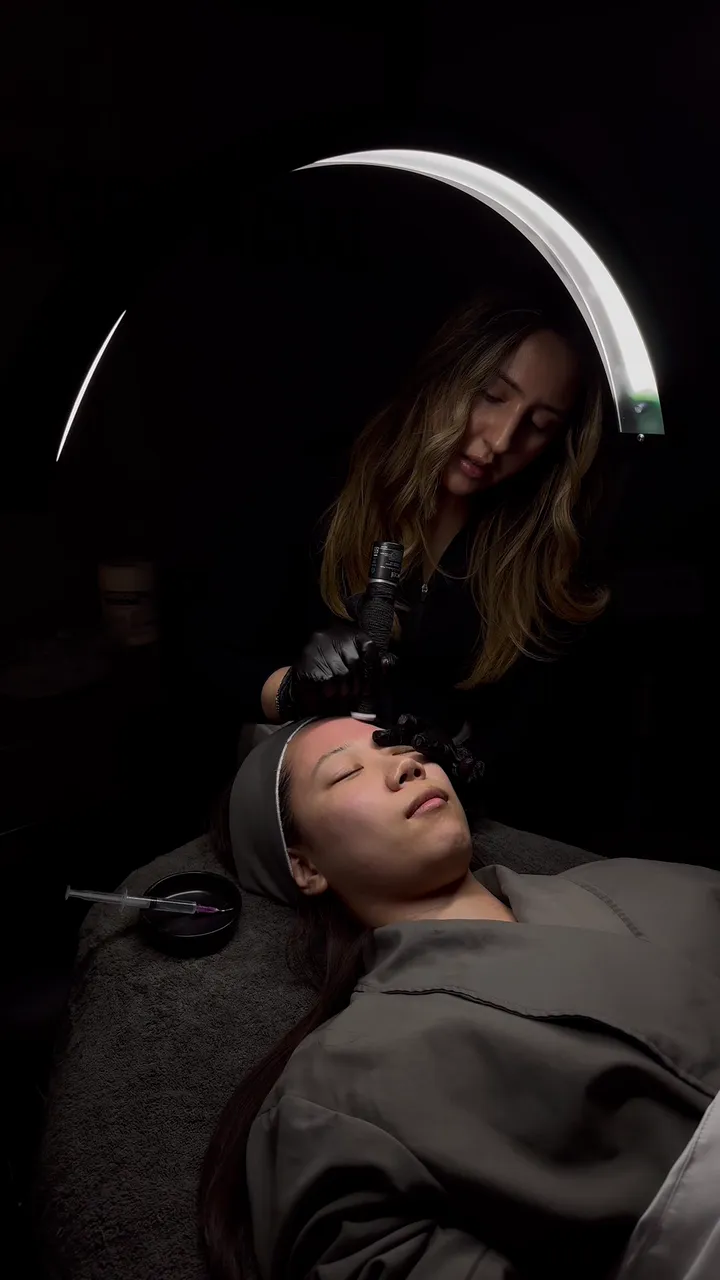
Microchanneling uses a professional device to create precise channels with a stamped motion.
This controlled stimulation is intended to support the skin’s natural repair response and collagen and elastin activity. Product selection and depth are adjusted for the client.
DANGSKYN uses a professional ProCell Therapies system. The service is available by appointment after a consultation.
Concerns we can discuss
Focused on
texture.
Microchanneling may be considered for several skin goals. The right approach depends on your skin and whether it is ready for treatment.
Acne scarring
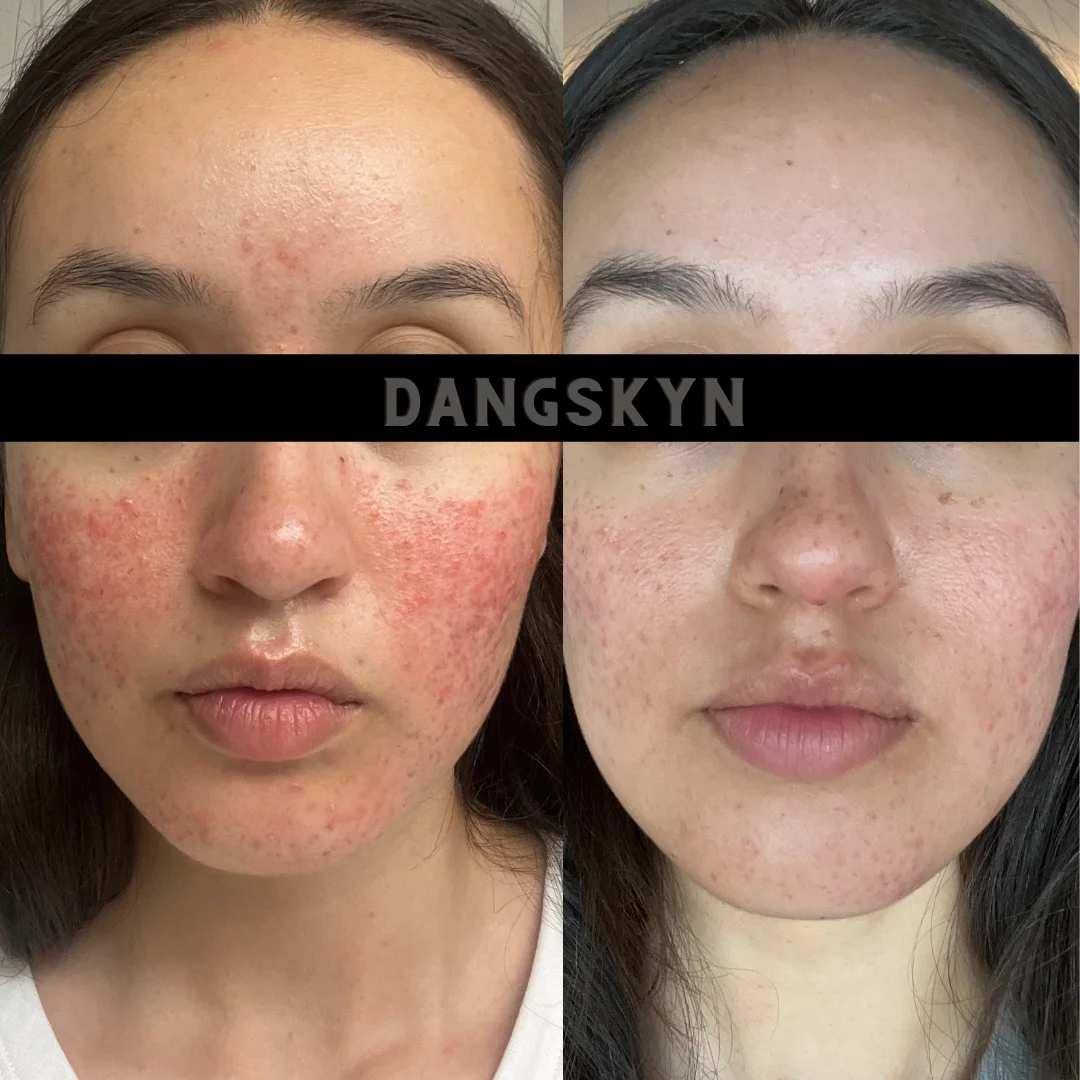
A series may support the appearance of depressed scars over time. Deeper scarring may need a combined approach.
Uneven texture
Controlled microchannels may support gradual texture refinement as the skin responds.
Enlarged-looking pores
Microchanneling may be considered when visible pores are part of your skin goals.
Fine lines and laxity
Some clients explore the service for early signs of aging and mild skin laxity.
Post-acne marks
A personalized plan may also address the look of post-inflammatory discoloration.
Active cystic acne may need a structured acne correction plan before microchanneling is considered.
Technique matters
Microchanneling
and microneedling.
Microchanneling uses a stamped, vertical approach. Traditional microneedling often uses a rolling or dragging motion.
The technique, device, and selected depth are discussed around your skin and treatment goals. DANGSKYN offers microchanneling, not conventional microneedling.
What boosters may be used?
Depending on your plan, options may include growth factor serums, peptide formulas, PDRN, or Korean-inspired skin repair solutions. Product suitability is reviewed before treatment. Boosters do not guarantee results.
What to expect
A clear
process.
- 01
Skin consultation and analysis
- 02
Customized depth mapping
- 03
Booster selection, when appropriate
- 04
Precision microchanneling
- 05
Aftercare guidance
Clients visit DANGSKYN from Dallas, Highland Park, Uptown, University Park, and Plano.
Sessions and recovery
Progress
takes time.
Plans are built around your skin and adjusted as it responds.
Often a series
The reference suggests about three to six sessions for acne scar goals, commonly spaced four to six weeks apart. Texture goals may need two to four sessions.
Recovery varies
Mild redness for one to two days is common. Skin changes may continue over several months. Your aftercare and individual response matter.
Common questions
Before you
begin.
Is microchanneling painful?
Sensation varies. A topical numbing option may be discussed before treatment to support comfort.
How much downtime should I expect?
Mild redness for one to two days is common. Uni will share aftercare guidance tailored to your treatment.
Can microchanneling improve deep acne scars?
It may support gradual improvement in the appearance of some depressed scars. Uni reviews your skin and goals, then discusses how microchanneling may fit your care plan.
Is microchanneling the same as microneedling?
Microchanneling uses a precision stamped approach to create controlled channels. Uni can walk you through the process and how it fits your skin goals.
A considered place to begin
Start with
your skin.
A consultation is the first step to discuss your skin history, treatment goals, and whether microchanneling belongs in your plan.